
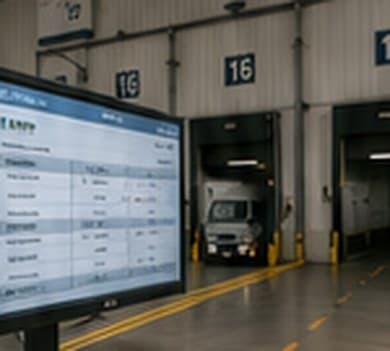
Dock scheduling
Complete operation in Brazil
Dock scheduling

Physical and document check

Quality control

Stock entry
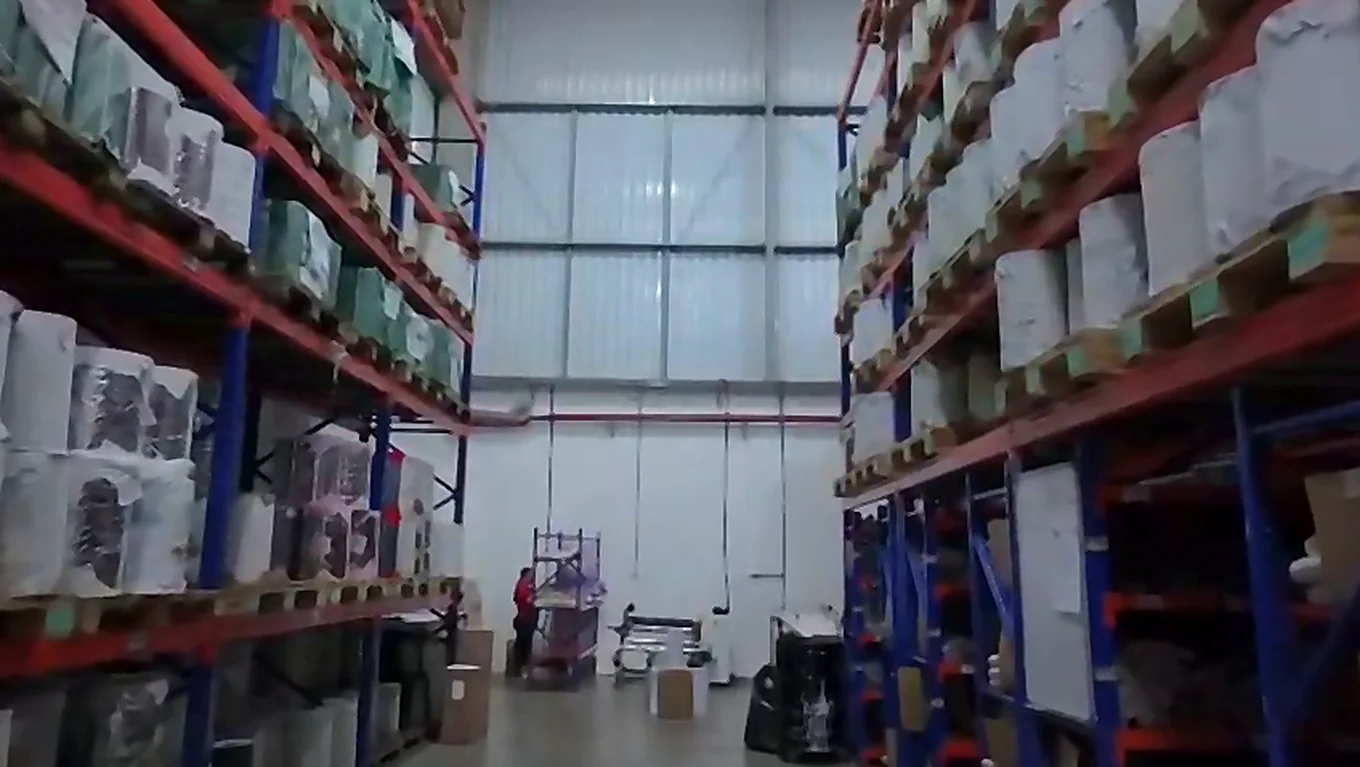
Strategic warehousing
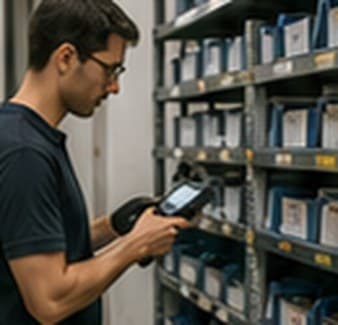
Inventory management

Picking & Packing
Scheduled shipping

B2B service

Retail

E-commerce

Marketplaces
Itatiba / SP
Distribution Center
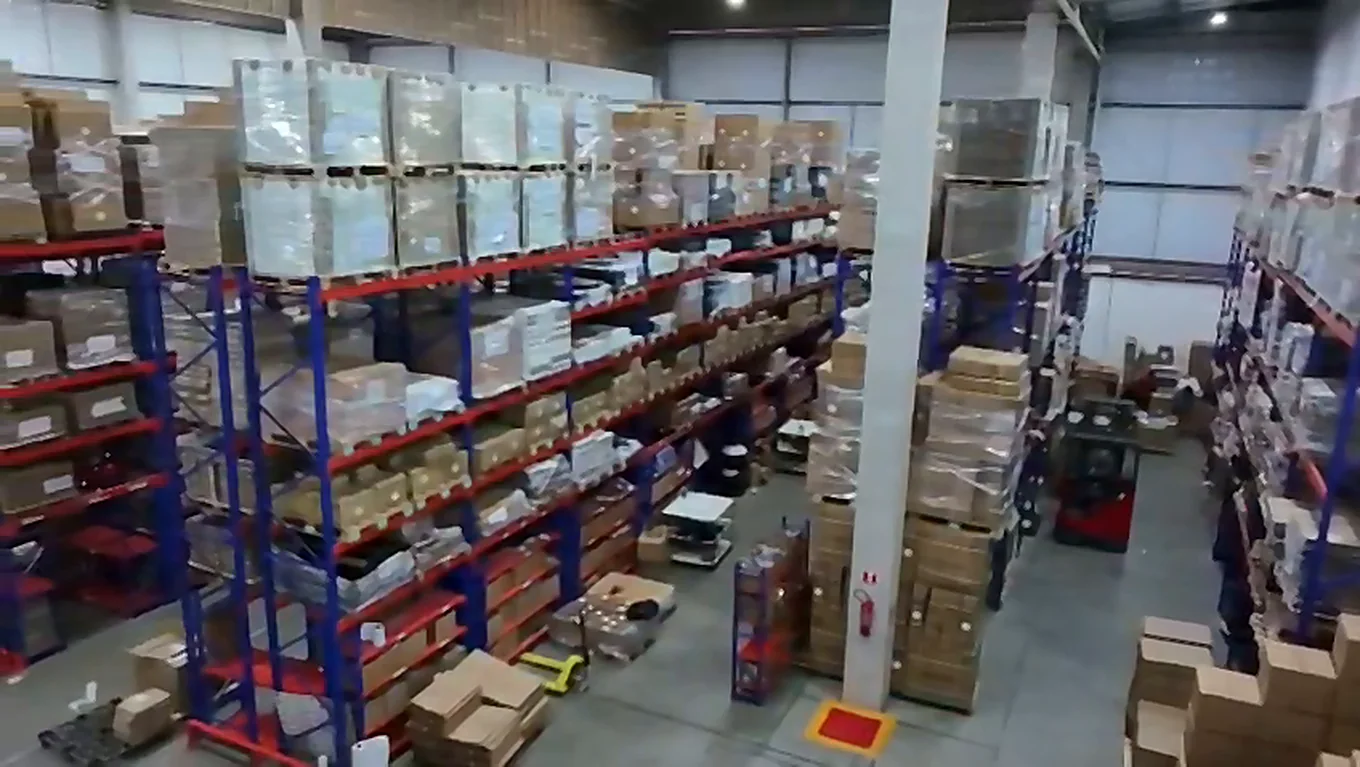
Capacity for 900 pallets
The unloading window is booked in advance by the carrier or our team, considering volume, vehicle type and the checks expected. This avoids queues in the yard and makes same-day stock entry predictable.
Inbound invoice, packing list and, where applicable, the release document for imported cargo. Any divergence between the invoice and the physical cargo is recorded in a report before any stock entry.
Checking is quantitative (counting against the invoice) and qualitative (sampling by batch, per the agreed criteria). Items outside standard are segregated, photographed and reported before entering available stock.
Location-based addressing, movements recorded by handheld scanner and periodic cycle counts, plus a full inventory on the agreed calendar. Measured accuracy is reported with the result of each cycle.
The daily shipping cut-off and the modes by region are defined when the operation is designed, per the contracted service level. Whatever is agreed becomes a tracked indicator, not a loose promise.
Yes. The same operation picks pallet orders for distributors and single-unit e-commerce orders, with distinct packaging and documentation rules for each channel.
We consolidate sales, receipts and fees per channel, reconcile them against payouts and close the period with documented reporting. The result is available with the detail behind every line.
Yes. Integration is assessed case by case according to the ERP or sales platform in use. Where there is no direct integration, we work with a file and report routine on the agreed schedule.